What Makes Cuban Bakery Aurora CO Stand Out in the Neighborhood
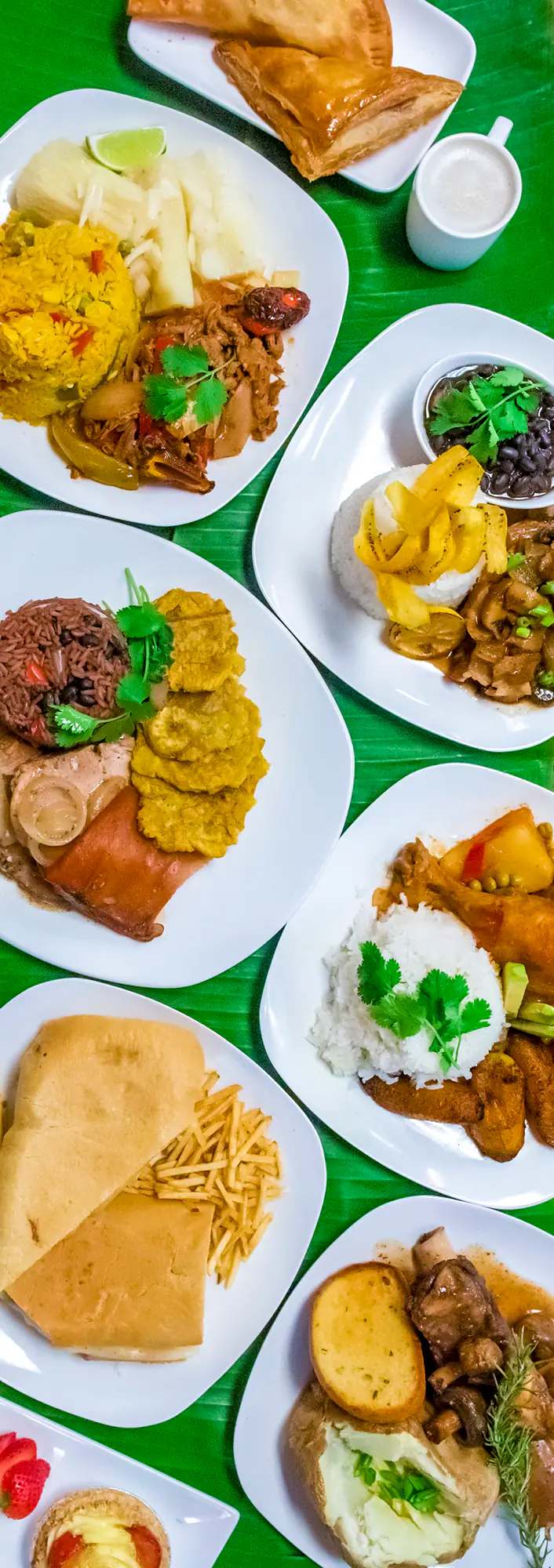
Walk into a truly good neighborhood bakery and you can tell, almost immediately, whether it belongs to the area or is merely located there. The difference has less to do with decor than with rhythm. You hear regulars greeting staff by name. You notice people stopping in for one item and leaving with three because the display case got them. You smell butter, sugar, coffee, and bread in layers, not in a vague cloud. A standout Cuban bakery in Aurora, CO earns its place that way, through repetition, consistency, and the kind of food that turns errands into rituals.
Aurora is the sort of city where a bakery has to work for attention. Residents have choices. The dining scene is broad, neighborhoods are varied, and loyalty is not automatic. So when a Cuban bakery becomes part of the weekly routine for families, commuters, students, and nearby workers, it usually means it is doing several things exceptionally well at once. It is not enough to make one good pastry. It has to deliver flavor, familiarity, speed, and a sense of welcome, all without losing its identity.
That is what makes the conversation around a Cuban bakery Aurora CO location especially interesting. The standouts are not just selling baked goods. They are preserving a culinary tradition while adapting to the habits of a diverse Colorado customer base. Done well, that balance becomes a real neighborhood advantage.
More than pastries in a case
People unfamiliar with Cuban bakeries sometimes reduce them to sweets, which misses the point. Yes, the pastry case matters. A flaky pastelito filled with guava or cream cheese can make someone a customer for life. A well-made croqueta, still crisp from the fryer, has a way of becoming the default snack on a busy afternoon. But the bakery’s role is broader than that.
In many Cuban bakery traditions, the shop functions as a morning stop, a lunch counter, a coffee house, and a social anchor. You come in for café con leche, then spot fresh bread and add a loaf. You return later for a sandwich. You bring a box of pastries to work the next day because people kept asking where you got them. Over time, the bakery becomes part of how the neighborhood eats.
That matters in Aurora, where residents often value places that feel practical as much as they feel special. A bakery that can handle the weekday coffee rush, the family pickup on a Saturday, and the last-minute dessert run before dinner is solving real needs, not just offering novelty.
The pull of freshness, and why people can taste the difference
If there is one trait that separates an average bakery from one people talk about, it is freshness. In baked goods, timing is not a detail. It is the product. Bread that was excellent at 8 a.m. May be merely fine by late afternoon. Puff pastry loses its edge when it sits too long. Fillings can go from lush to heavy if the ratio is off or the turnover is slow.
A standout Cuban bakery usually understands this at an operational level. You see smaller, more frequent batches rather than trays piled high for show. You notice that the bread has the right outer crackle and a light, airy interior. The pastries flake rather than crumble into dust. Even savory items feel deliberate, not held too long under heat lamps.
Customers may not use the language of production schedules or moisture retention, but they recognize the result. They know when a pastelito tastes like it was made by people paying attention. They know when a loaf of Cuban bread still has warmth in the paper sleeve. And they know when the coffee tastes brewed for service rather than brewed for convenience.
Freshness also builds trust. Once people believe the bakery turns product quickly and maintains quality throughout the day, they stop ordering cautiously. They buy for the household. They bring guests. They volunteer recommendations to friends without hesitation.
Cuban bread is often the real test
Ask experienced bakery regulars what they judge first, and many will tell you to start with the bread. That is not glamorous, but it is reliable. Bread exposes weaknesses quickly. It shows whether the bakery has control over fermentation, proofing, bake time, and turnover. It also reveals whether the operation respects fundamentals or leans too heavily on sugary items to mask inconsistency elsewhere.
Good Cuban bread has a particular appeal. The crust should be delicate but distinct, with enough structure to hold a sandwich and enough tenderness to tear easily by hand. Inside, the crumb should be light, slightly chewy, and fragrant in a way that feels clean rather than yeasty. It should support fillings without becoming dense or gummy.
In Colorado, altitude adds another layer of difficulty. Baking at elevation can challenge dough hydration, rise behavior, and oven timing. A bakery that consistently turns out balanced bread in Aurora is not succeeding by accident. It is adjusting, testing, and refining, often over years. That kind of quiet technical competence is one of the strongest reasons a neighborhood bakery stands out.
The pastry case tells a story about discipline
A crowded pastry case can impress first-time visitors, but variety alone is not the point. The best cases feel curated rather than chaotic. You can tell the bakery knows which items define it and which ones support the lineup. There is a difference between abundance and confusion.
At a strong Cuban bakery, you often see a mix that reflects both classic expectations and neighborhood demand. Guava pastries tend to draw traditionalists and newcomers alike because the flavor is vivid, approachable, and unmistakable. Cream cheese pairings soften the fruit’s sharp sweetness. Coconut, custard, and flaky turnovers broaden the range. Savory bites such as croquetas and stuffed pastries keep the case from tipping too far into dessert territory.
What matters is execution. A guava filling should taste bright, not cloying. Cream cheese should add body and tang without overwhelming the pastry. Dough should stay layered and crisp rather than greasy. The savory side should show equal care, because customers notice when a bakery treats non-sweet items as an afterthought.
That discipline tends to become self-reinforcing. When patrons learn that nearly everything in the case is dependable, they become more adventurous. They stop ordering only the familiar favorite and start trying whatever looks fresh that day.
Coffee is not secondary, it is part of the identity
A Cuban bakery without good coffee feels incomplete. The food and the coffee are meant to support each other. Strong espresso cuts through buttery pastry. Sweet baked goods balance dark roast intensity. Milk-based coffee drinks soften the morning without flattening flavor. When done right, the pairing makes the entire visit feel coherent.
This is especially true in neighborhood settings, where morning business often decides whether a shop becomes part of daily life. If a bakery serves food people love but the coffee is weak, inconsistent, or slow to come out, regular traffic suffers. People may stop by occasionally, but they do not build habits around it.
The opposite is also true. A dependable café con leche or cafecito can create routines that lead customers deeper into the menu. Someone comes in for coffee three times a week, then starts adding toast, then a pastry, then lunch on Fridays. That pattern is common in successful bakery-cafés, and it is a big part of how a Cuban bakery in Aurora earns neighborhood loyalty rather than one-time curiosity.
There is also an emotional dimension to coffee service. A quick espresso handed over by someone who remembers your order does more than speed up the line. It creates familiarity. In food businesses, familiarity is often more durable than trendiness.
Neighborhood relevance matters as much as authenticity
Authenticity gets discussed constantly in food, sometimes in useful ways and sometimes not. It matters, certainly. A Cuban https://maps.app.goo.gl/qEESBrYZVLYNG3Gw8 bakery should respect the traditions that shaped its menu, techniques, and service style. But a neighborhood bakery also has to meet the people around it where they are.
In Aurora, that means understanding a customer base that is diverse in taste, schedule, and expectation. Some guests grew up with Cuban pastries and know exactly what they want. Others are trying guava for the first time. Some need a fast, affordable breakfast before work. Others want boxes of pastries for a school event or office meeting. A bakery that stands out learns how to serve all of them without flattening its identity.
That can show up in small decisions. Clear labeling helps first-time customers order confidently. Friendly staff who can explain a few signature items make the menu feel welcoming rather than insular. Offering items that travel well is practical in a driving city. Keeping prices reasonable on staple goods helps ensure the bakery remains a neighborhood place, not just an occasional indulgence.
There is a trade-off here, and smart operators know it. If a bakery broadens too far, it risks becoming generic. If it stays too narrow, it may limit who feels comfortable walking in. The best businesses manage that tension through confidence. They keep the core intact, then communicate it in ways that invite people closer.
Value is not just about price
Neighborhood customers are careful judges of value. They know when a place is expensive, and they also know when something is worth paying for. In bakeries, value often comes down to portion, quality, consistency, and usefulness.
A pastry that feels substantial, balanced, and fresh can justify a higher price than a larger but mediocre one. A sandwich made on house bread with ingredients that taste alive beats a cheaper version built for volume. A coffee and pastry combo that reliably satisfies breakfast needs saves people time and decision fatigue, which has its own value.
The strongest bakeries understand that perceived value comes from the full transaction. Was the line manageable? Was the order correct? Did the items hold up on the drive home? Did the bread still taste good at lunch? These details shape whether people describe a place as fair, generous, and dependable.
For families in particular, bakery spending is often practical spending. A box of pastries can cover breakfast the next morning. A few loaves of bread can support several meals. Savory items can bridge the gap between snack and lunch. When customers feel a bakery makes everyday life easier, price becomes only one part of the equation.
The case for consistency over spectacle
Many food businesses can create a strong first impression. Far fewer can produce the same quality on a rainy Tuesday at 2 p.m. As they do on a busy Saturday morning. Yet that is exactly the test neighborhood businesses face.
Consistency is rarely glamorous. It comes from good training, disciplined prep, sensible menu design, and realistic staffing. It means the croquetas are crisp instead of soggy, not just once but often. It means the bread texture does not swing wildly from batch to batch. It means coffee tastes like the same drink every time you order it.
This is one area where regulars have a sharper eye than first-time visitors. A newcomer may be won over by one excellent pastry. A local customer notices whether the bakery is solid over months. If people from the neighborhood keep returning, that is usually a stronger signal than social media buzz.
A dependable Cuban bakery Aurora CO spot often becomes the place people recommend with a sentence that sounds simple but carries real weight: they are always good. In the restaurant world, that level of trust is hard-earned.
Service shapes reputation faster than marketing
Great products create interest. Great service creates repeat business. Bakeries, more than many food operations, rely on short interactions that leave strong impressions. Customers are often ordering quickly, often in the morning, often while distracted. Small missteps can feel larger under those conditions. Small courtesies can do the same.
Staff do not need to perform hospitality in an exaggerated way. In fact, neighborhood bakeries usually benefit from service that feels brisk, competent, and warm rather than rehearsed. A genuine greeting, a quick recommendation, patience with a customer who is unfamiliar with the menu, these are simple moves, but they carry lasting effects.
There is also skill involved in managing different kinds of guests at once. The person grabbing one coffee before work needs speed. The family choosing a dozen pastries may need guidance. The regular wants recognition but not a long conversation while the line stacks up. Balancing these needs is part of what separates seasoned bakery teams from less experienced ones.
When service aligns with product quality, the bakery’s reputation grows naturally. People mention not just what they ate but how the place made them feel. That kind of word of mouth is still one of the strongest drivers of neighborhood business.
What regulars tend to notice first
Certain traits keep coming up when people become loyal to a bakery rather than merely aware of it.
- Bread and pastries taste fresh across different visits
- Coffee is strong, fast, and well-paired with the menu
- The staff makes first-timers feel comfortable ordering
- Signature items are consistent, not hit or miss
- The shop feels woven into daily neighborhood life
None of those points are flashy, which is exactly why they matter. They reflect sustained competence rather than occasional brilliance.
The role of cultural memory
For many customers, a Cuban bakery offers more than flavor. It offers memory. The smell of sweet pastry and espresso can call up family kitchens, holiday trays, childhood breakfasts, or weekend stops after church. Even customers without a personal connection to Cuban food often respond to that sense of rootedness. They can tell when recipes come from somewhere real.
That emotional layer helps explain why bakery loyalty can run unusually deep. People are not only judging the product in front of them. They are measuring whether the place feels sincere. Are the flavors distinct? Does the menu reflect tradition rather than imitation? Does the atmosphere feel lived-in rather than staged?
A standout bakery does not need to sentimentalize itself to achieve this. Often the most convincing signs are the simplest ones: long-time customers who know the drill, staff members who explain items with confidence, recipes that do not seem watered down for broad appeal, and a rhythm that suggests the shop serves a real community, not just a concept.
Why location alone is never enough in Aurora
Aurora’s size and diversity create opportunity, but they also raise the bar. Being in a busy corridor or near residential growth helps with visibility, yet visibility does not guarantee affection. Customers in the area are used to making choices across cuisines and neighborhoods. If a bakery wants to become a fixture, it must offer reasons to drive past other options.
That often comes down to a blend of reliability and identity. The bakery needs enough practical appeal to fit into people’s lives, but enough personality to stand apart from chain cafés and generic pastry shops. Cuban bakeries are well positioned for that because they occupy a space many chains cannot replicate. They can offer handmade baked goods, strong coffee, savory snacks, and culturally specific comfort all under one roof.
Still, location brings pressure. Parking matters. Wait times matter. Hours matter. Products that sell out too early can create excitement, but they can also frustrate working customers who arrive later in the day. A bakery that stands out learns which inconveniences customers will forgive and which ones they will not. That sort of judgment is rarely visible from the front counter, but it shapes success in very concrete ways.
For newcomers, the best first order is usually simple
People trying a Cuban bakery for the first time sometimes overcomplicate the visit. They want to decode the whole menu at once. A better approach is to start with items that reveal the bakery’s strengths quickly.
- A classic pastry such as guava, cream cheese, or both
- A loaf or portion of Cuban bread
- A croqueta or another savory snack
- A coffee, ideally espresso-based
- One item chosen on staff recommendation
That combination gives a clear read on the fundamentals: dough, filling, seasoning, coffee quality, and service confidence. From there, customers can branch out with purpose rather than guesswork.
The bakery as a neighborhood anchor
When people talk about a place standing out, they often mean it has become easier to imagine the neighborhood without it. That is a strong sign. A bakery reaches that point when it stops being only a retail stop and starts functioning as a local anchor.
You see it in ordinary scenes. Someone picks up a box for coworkers before a meeting. A parent brings home pastries after Saturday errands. A couple shares coffee and bread on a slow morning. Nearby workers rely on quick savory items between shifts. Visitors are taken there because it represents something specific about the area. None of this is dramatic, but that is the point. Neighborhood institutions are built on repetition.
For a Cuban bakery in Aurora, standing out is not about being the loudest or the most heavily promoted. It is about becoming dependable in a way that still feels distinctive. It is about giving people food they crave, service they trust, and a setting that feels connected to the life around it. The places that achieve that are rarely accidental successes. They have learned the hard lesson every good bakery eventually learns: people come in for the pastry, but they come back for the pattern it creates in their week.
And once a bakery becomes part of that pattern, it has already done the thing most businesses spend years trying to accomplish. It has earned a place in the neighborhood.
Cuba Bakery & Café
15028 E Mississippi Ave, Aurora, CO 80012
+1 303-752-2822
FAQ About Cuban bakery Aurora CO
What are Cuban pastries called?
Many small Cuban pastries are called pastelitos. They can have sweet or savory fillings, such as guava, cheese, guava and cheese, or seasoned meat. Cuba Bakery & Café lists guava, cheese, guava-and-cheese and beef pastries on its menu. Ask the bakery about current availability and ingredients when ordering.
What are traditional Cuban pastries?
Common Cuban bakery choices include flaky pastelitos filled with guava, cheese or meat. Cuban bakeries may also offer empanadas, breads and desserts alongside coffee. Cuba Bakery & Café lists pastelitos, several empanada fillings, pan Cubano and desserts such as tres leches and bread pudding. Selection can vary, so confirm the day's choices with the bakery.
What makes Cuban bread different?
Cuban bread is known for its light interior and a thin crust that becomes crisp when toasted or pressed. Traditional recipes often use lard, although ingredients vary by baker. It is commonly served as buttered toast or used for Cuban sandwiches. Cuba Bakery & Café lists pan Cubano and tostada on its menu; ask staff about the ingredients in their bread if you have dietary restrictions.