Cuban Bakery Aurora CO: Treat Yourself to Something Special
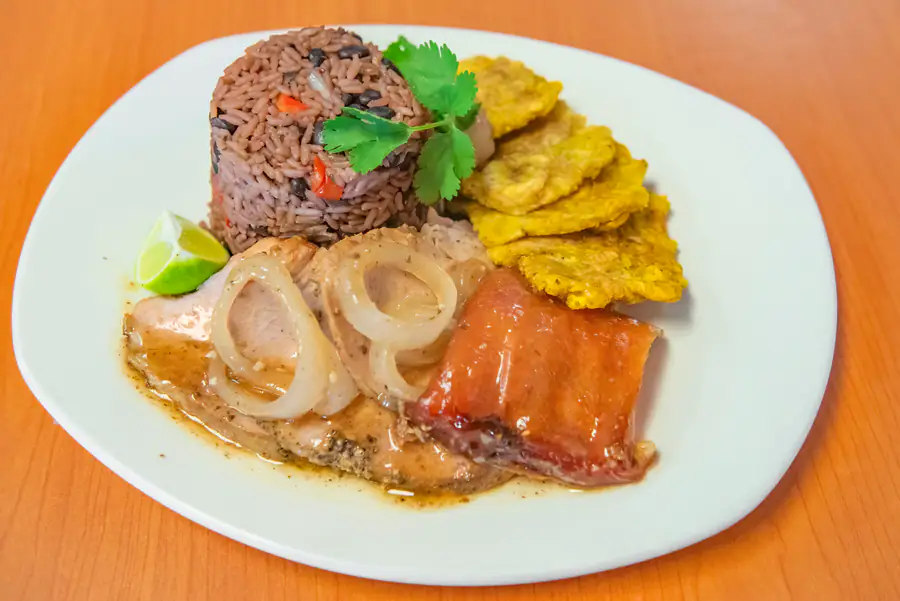
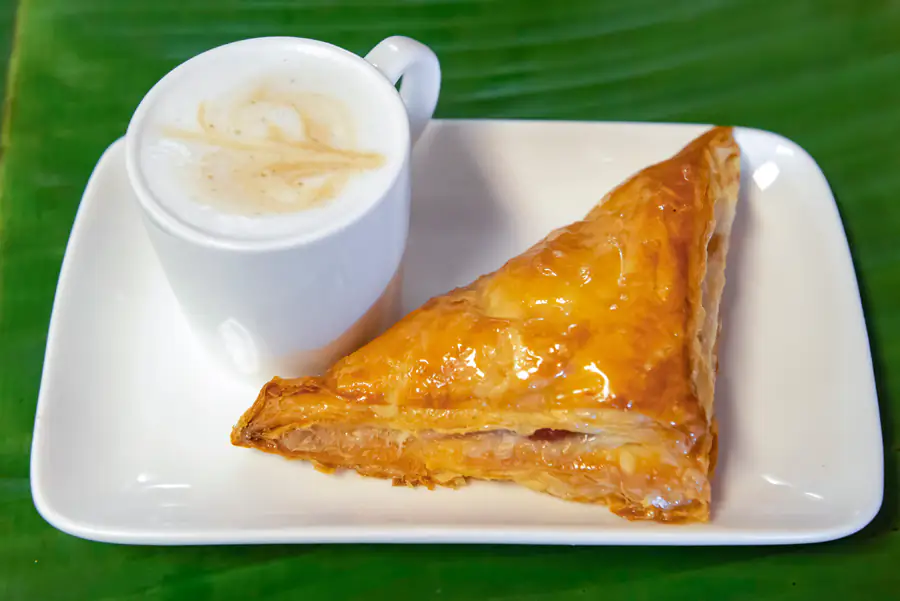
There are bakeries you visit because you need bread for dinner, and there are bakeries you visit because you want a small, memorable break in the day. A good Cuban bakery belongs firmly in the second category, even when you walk in for something as simple as coffee and a pastry. The appeal is not only sweetness or nostalgia. It is craft, rhythm, and a style of baking that carries real personality.
If you have been searching for a Cuban bakery Aurora CO residents can genuinely enjoy, it helps to know what makes this category different from the average pastry shop. Cuban baking does not aim for fussy presentation or delicate, precious portions. It tends to lean generous, aromatic, and deeply comforting. The best items feel tied to routine and celebration at the same time. You can pick up breakfast, bring a box to the office, or stop in during a slow afternoon and still feel like you treated yourself to something out of the ordinary.
Aurora is the kind of city where variety matters. People here know how to appreciate neighborhood restaurants and bakeries that reflect a real cultural tradition rather than a watered-down version of one. That is why a Cuban bakery can stand out so quickly. When it is done well, it offers more than dessert. It offers a mood. You smell butter, sugar, yeast, espresso, and warm dough before you even decide what to order. That first impression matters more than people think.
What makes a Cuban bakery feel distinct
A Cuban bakery usually sits at the intersection of European technique, Caribbean sensibility, and everyday practicality. You can taste Spanish influence, traces of French-style pastry traditions, and the adaptation that naturally happens when food settles into a different climate, economy, and community. What lands on the tray is often familiar enough to feel accessible, but specific enough to feel unforgettable.
The texture profile alone tells you a lot. Cuban pastries often chase contrast. You will find flaky crusts wrapped around silky fillings, lightly crisped edges giving way to soft interiors, and sugar that sweetens without becoming cloying when the recipe is balanced properly. That last point is important. People who assume every bakery item is simply “very sweet” usually have not had fresh Cuban pastry made with care. The best versions are flavorful first, sweet second.
Then there is the matter of scale and purpose. A lot of American pastry culture has drifted toward oversized novelty, the kind of item that looks dramatic in a display case but eats like a burden. Cuban bakery staples usually make more practical sense. They are built to be eaten with coffee, shared with family, boxed for a gathering, or grabbed quickly on the way to work. Even the richer items often feel grounded.
This practical elegance is one reason so many people become loyal customers once they find a bakery that gets it right. They may come in for one thing, often a guava pastry or a café con leche, and then start building habits around the place. A Friday morning stop turns into a Sunday family pickup. A holiday order turns into an office tradition. Good bakeries earn that kind of place in people’s lives.
The pastries that deserve your attention
If you are new to Cuban baking, start with the classics before you branch out. The classics became classics for a reason. They reveal how the bakery handles dough, fillings, bake times, and balance. They also tell you whether the shop respects freshness or leans too heavily on production convenience.
A guava pastry is often the first benchmark. Done properly, it should have a bright, fruity center with enough tartness to keep the sweetness lively. The pastry around it should shatter lightly when you bite into it, not slump or feel greasy. Some versions include cream cheese, which adds a mellow tang and a richer finish. When the ratio is right, it is one of the most satisfying bakery pairings anywhere, not just in Cuban baking.
The pastelito format, more broadly, deserves respect. These pastries are often simple in concept and surprisingly revealing in execution. A bakery can hide a lot behind frosting or novelty fillings, but not behind a straightforward fruit or cheese pastry. If the dough is under-proofed, stale, or overhandled, you know immediately. If it is fresh and layered correctly, you know that too.
Then there is the Cuban take on savory pastry, which is part of what makes these bakeries so useful beyond dessert. A bakery with strong savory options becomes an all-day destination. Ham-and-cheese pastries, meat-filled pastries, and other savory items can bridge breakfast and lunch beautifully. On a cold Colorado morning, that kind of warm, handheld food hits differently. It is fast, filling, and much more interesting than another drive-through sandwich.
Bread matters too. People often focus on sweets when they talk about bakeries, but bread is where discipline shows. Cuban bread, in its ideal form, has a thin, delicate crust and a tender interior that feels light rather than dense. It is excellent fresh on its own, and it is even better when used for a proper sandwich. A bakery that turns out excellent bread and pastry is usually doing several hard things right at once.
Why coffee is half the experience
You can learn a lot about a bakery by watching what customers order with their pastry. In a Cuban bakery, coffee is rarely an afterthought. It is part of the architecture of the visit. Strong coffee sharpens sweetness, cuts richness, and turns a snack into a ritual.
Café Cubano, café con leche, cortadito, these are not simply menu entries. They shape how the pastry lands on the palate. A shot of sweet, assertive espresso beside a flaky guava pastry creates one kind of experience. A milkier café con leche beside a savory pastry creates another. A bakery that takes coffee seriously understands this relationship. It calibrates sweetness, temperature, and timing rather than just pouring caffeine into a cup.
There is also something social about it. Even a quick stop for coffee at a Cuban bakery tends to feel less anonymous than a chain café run. People linger. They point to trays. They ask what just came out of the oven. They bring home extras because someone at home will want one too. The transaction slows down in a good way.
In Aurora, where schedules can be packed and commutes can stretch longer than expected, that kind of stop serves a real purpose. It adds texture to the day. Not every indulgence needs to be extravagant. Sometimes the best one costs less than lunch and improves your whole morning.
Freshness separates the memorable from the mediocre
A bakery can have the right menu and still miss the point if freshness slips. This is especially true with Cuban pastries. The window for perfection can be shorter than many people realize. Flaky items lose their edge when they sit too long. Filled pastries can become heavy if held improperly. Bread that should feel light can become dull and chewy by late day if turnover is weak.
That does not mean every item becomes inedible after a few hours. It means there is a noticeable difference between decent and excellent. Anyone who has eaten a still-warm pastry from a busy bakery knows this instinctively. The aroma is sharper. The layers separate more cleanly. The filling tastes more vivid. Even the paper bag seems to carry home more promise.
This is one of the reasons local bakeries matter so much. A neighborhood bakery with real traffic often has the turnover needed to keep things lively. Trays empty and refill. Regulars know what time to come for a preferred item. Staff can tell you what came out recently and what is best right now. That conversation is part of the value.
When you are trying a new Cuban bakery in Aurora, pay attention to those signals. Are there signs of active baking and steady movement? Do the pastries look vibrant rather than tired? Does the bread feel like food made for today rather than inventory held over from yesterday? These details matter more than a trendy interior ever will.
A bakery that works for ordinary days and special occasions
One of the strongest arguments for seeking out a quality Cuban bakery is versatility. Plenty of food businesses are good at one type of occasion. They are date-night spots, or they are purely practical lunch counters, or they are once-a-year dessert shops. A great bakery can move between all of those emotional settings with ease.
On ordinary weekdays, it solves breakfast. You can pick up a pastry and coffee that feel indulgent without blowing your budget or your schedule. If you work in an office, bringing in a pastry box has a disproportionate effect on morale. People remember who showed up with warm pastries. It changes the atmosphere of a meeting before anyone says a word.
For family gatherings, bakery items often strike the right note because they feel abundant and approachable. Not everyone wants a frosted layer cake after a heavy meal. A spread of pastries, breads, and coffee gives people options. Some want sweet, some want savory, some want both an hour apart. Cuban bakery fare handles that style of eating gracefully.
Holidays are another natural fit. Even people who cook extensively at home often outsource baking for larger gatherings because pastry is a separate discipline. There is no shame in that. In fact, it is usually the smartest move. Skilled bakers have the equipment, pace, and repetition to produce better texture and more consistent results than most home kitchens can manage on a busy week.
That practical generosity is part of the charm. A Cuban bakery does not have to be reserved for birthdays or milestones to feel meaningful. It can improve a Tuesday.
What to notice when you step inside
If you want to judge a bakery beyond the first bite, use all your senses. The display case matters, but it is only one piece of the story. Smell is usually the first clue. You want warm butter, toasted dough, espresso, and something fruity or sugary in the background. If the room smells flat or overly sanitized, that can be a sign the baking happened long before you arrived.
Listen, too. Busy bakeries have a particular sound, tray movement, order calls, coffee steaming, brief questions at the counter, bags rustling as customers leave with more than they planned to buy. It is not about noise for its own sake. It is about life. The best shops feel inhabited rather than staged.
Look at the pastries closely. Do glazes look fresh or set too thick from sitting? Do flaky items still show definition in the layers? Are savory pastries clearly distinct in shape and labeling from sweet ones? Presentation in a Cuban bakery does not need to be ornate, but it should be clear, tidy, and confident.
Then there is staff knowledge. Strong bakery counters are staffed by people who can guide you without overselling. If you ask what is most popular, they should have a real answer. If you ask what pairs well with a coffee order, they should know. If something is especially fresh or likely to sell out, they should say so. That kind of informed honesty builds repeat customers.
Why Aurora is a strong place for this kind of bakery
Aurora’s food scene rewards substance. It is not a city that survives on style alone. People here support places that offer value, consistency, and identity. That makes it fertile ground for bakeries rooted in tradition, especially ones that deliver both comfort and quality.
The https://claytonmefz849.lakeviewbrief.com/posts/authentic-cuban-bakery-aurora-co-options-for-every-craving city’s diversity also matters. Customers in Aurora are used to regional specialties, family-run businesses, and menus that carry cultural specificity without apology. In that environment, a Cuban bakery does not need to flatten itself into generic “Latin pastries” to attract interest. In fact, it is more compelling when it stays specific. The names, textures, and flavors are part of the draw.
Climate plays a role as well, even if subtly. Colorado’s dry air and changing temperatures make warm bread, rich coffee, and flaky pastries especially appealing. On chilly mornings, few things outperform a fresh pastry and a hot espresso drink. On milder afternoons, a bakery stop still works because the portions tend to feel manageable rather than overwhelming.
For anyone searching online for a Cuban bakery Aurora CO location worth the trip, this local context explains why the category resonates so well. It fits the city’s appetite for food with character.
How to get the best experience from your visit
Timing can improve your bakery experience more than people expect. If you can go earlier in the day, you will usually have the broadest selection and the best chance at peak freshness. That matters particularly for flaky pastries and bread. Morning visits also pair naturally with coffee, which is half the point anyway.
If you are bringing items home, think about how long they will sit before serving. Pastries with delicate layers are at their best relatively soon after purchase. Bread can hold longer, especially if wrapped properly, but still benefits from a same-day plan. Savory pastries often reheat reasonably well, though texture is rarely identical to fresh-from-the-case quality. That is not a flaw, just reality.
It is also worth ordering beyond your usual instinct. People often default to the sweetest-looking option in a bakery case, then miss the items that best represent the shop. If you are curious, ask for one classic sweet pastry, one savory item, and a coffee. That small spread gives you a much clearer read on the bakery’s range.
When buying for a group, variety beats volume of a single item almost every time. Different fillings, different sweetness levels, and a mix of sweet and savory create a better table. You do not need ten choices, just enough contrast for people to discover a favorite.
Treating yourself without overthinking it
There is a tendency to make indulgence overly strategic. People wait for a special reason, a celebration, a cheat day, or a perfectly free weekend. Bakeries quietly argue for a simpler philosophy. You do not need a major event to enjoy food made well. Sometimes the right move is to stop, order the pastry that looks excellent, and drink the coffee while it is still hot.
That is especially true when the bakery brings cultural depth to the experience. Food like this does more than satisfy a craving. It connects routine to tradition. It turns a short errand into a small pleasure with texture, aroma, and memory attached. A child remembers the sugar on the edge of a pastry. A parent remembers bringing home a box on weekends. A new resident of Aurora finds a place that becomes part of the weekly circuit.
The best bakery visits are often modest on paper and generous in effect. Fifteen minutes, a paper bag, a warm pastry, a good coffee, and your day improves. That is not flashy. It is simply one of the most reliable forms of everyday luxury.
For anyone craving something with more soul than a standard pastry case, a well-run Cuban bakery offers exactly that. It gives you sweetness with structure, comfort with character, and a reason to slow down just enough to enjoy what is in front of you. In a city as broad and busy as Aurora, that is not a minor thing. It is one of the better ways to treat yourself to something special.
Cuba Bakery & Café
15028 E Mississippi Ave, Aurora, CO 80012
+1 303-752-2822
FAQ About Cuban bakery Aurora CO
What are Cuban pastries called?
Many small Cuban pastries are called pastelitos. They can have sweet or savory fillings, such as guava, cheese, guava and cheese, or seasoned meat. Cuba Bakery & Café lists guava, cheese, guava-and-cheese and beef pastries on its menu. Ask the bakery about current availability and ingredients when ordering.
What are traditional Cuban pastries?
Common Cuban bakery choices include flaky pastelitos filled with guava, cheese or meat. Cuban bakeries may also offer empanadas, breads and desserts alongside coffee. Cuba Bakery & Café lists pastelitos, several empanada fillings, pan Cubano and desserts such as tres leches and bread pudding. Selection can vary, so confirm the day's choices with the bakery.
What makes Cuban bread different?
Cuban bread is known for its light interior and a thin crust that becomes crisp when toasted or pressed. Traditional recipes often use lard, although ingredients vary by baker. It is commonly served as buttered toast or used for Cuban sandwiches. Cuba Bakery & Café lists pan Cubano and tostada on its menu; ask staff about the ingredients in their bread if you have dietary restrictions.